







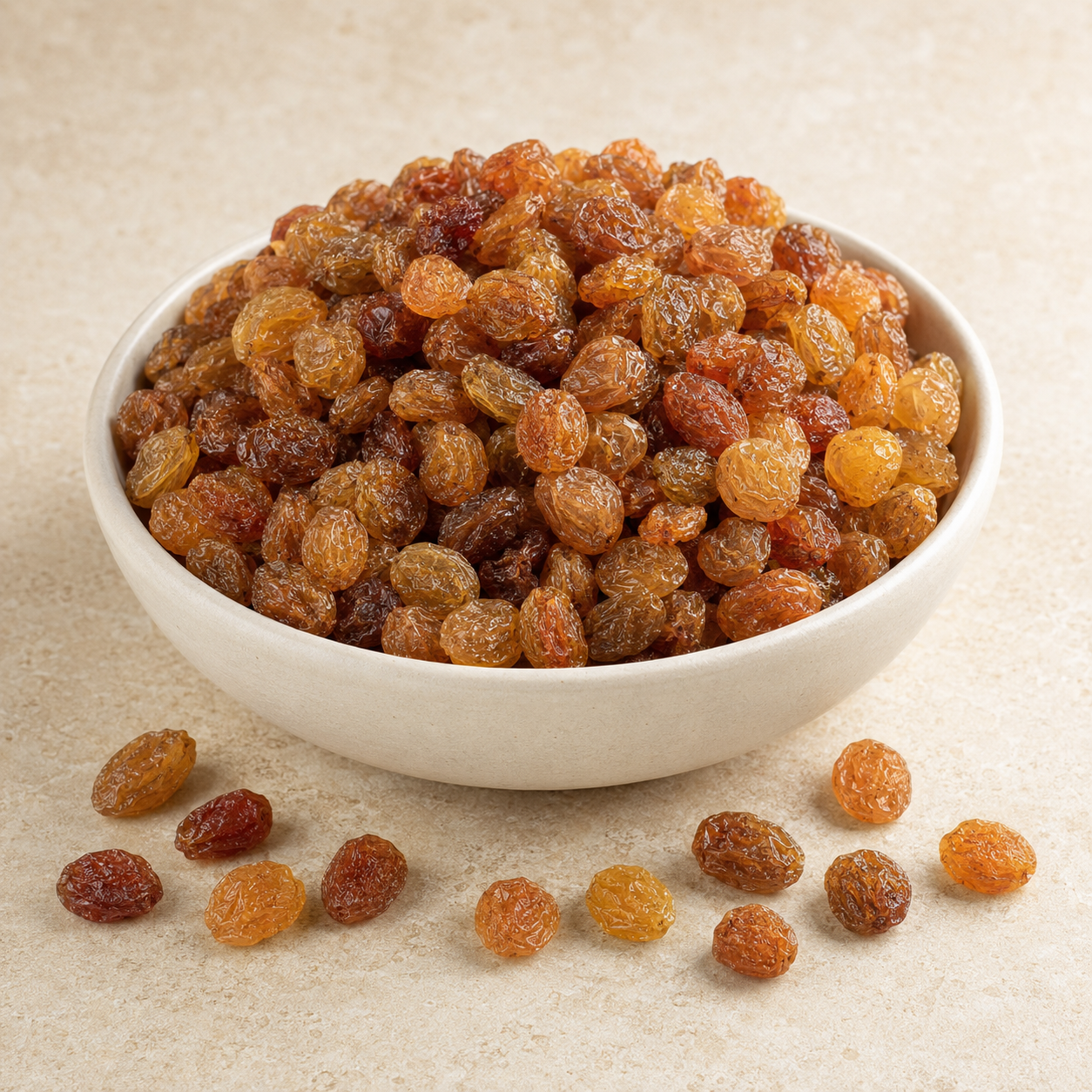


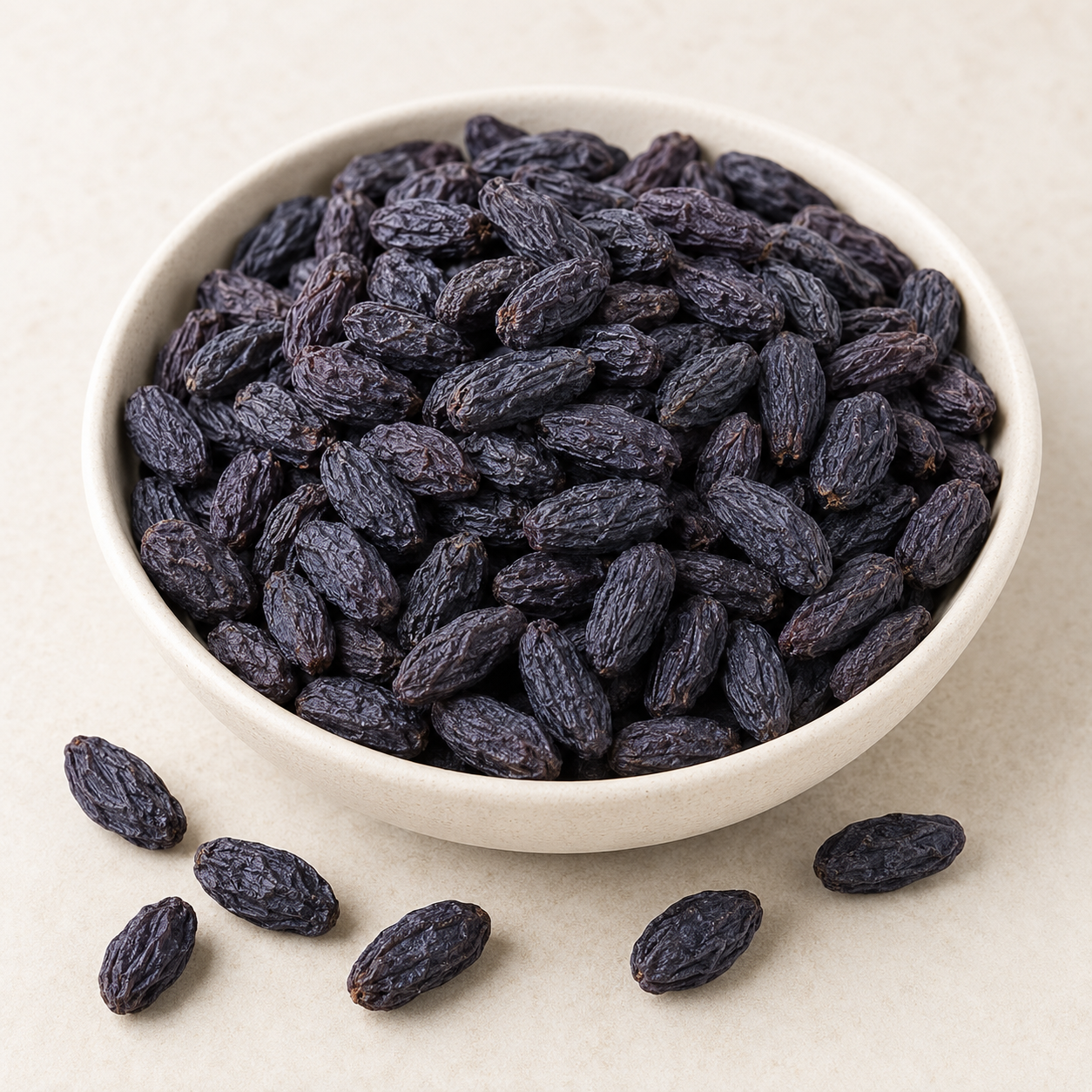
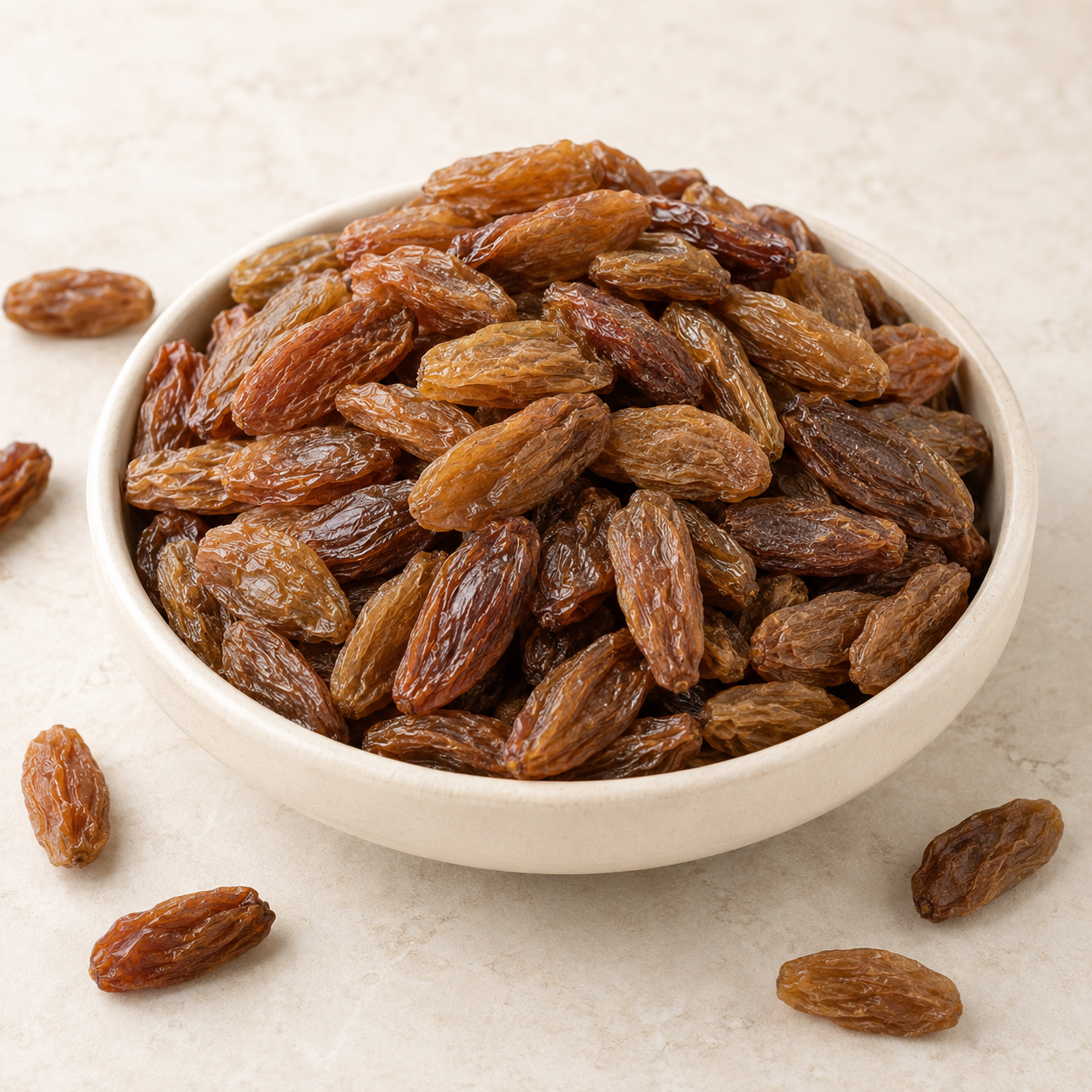
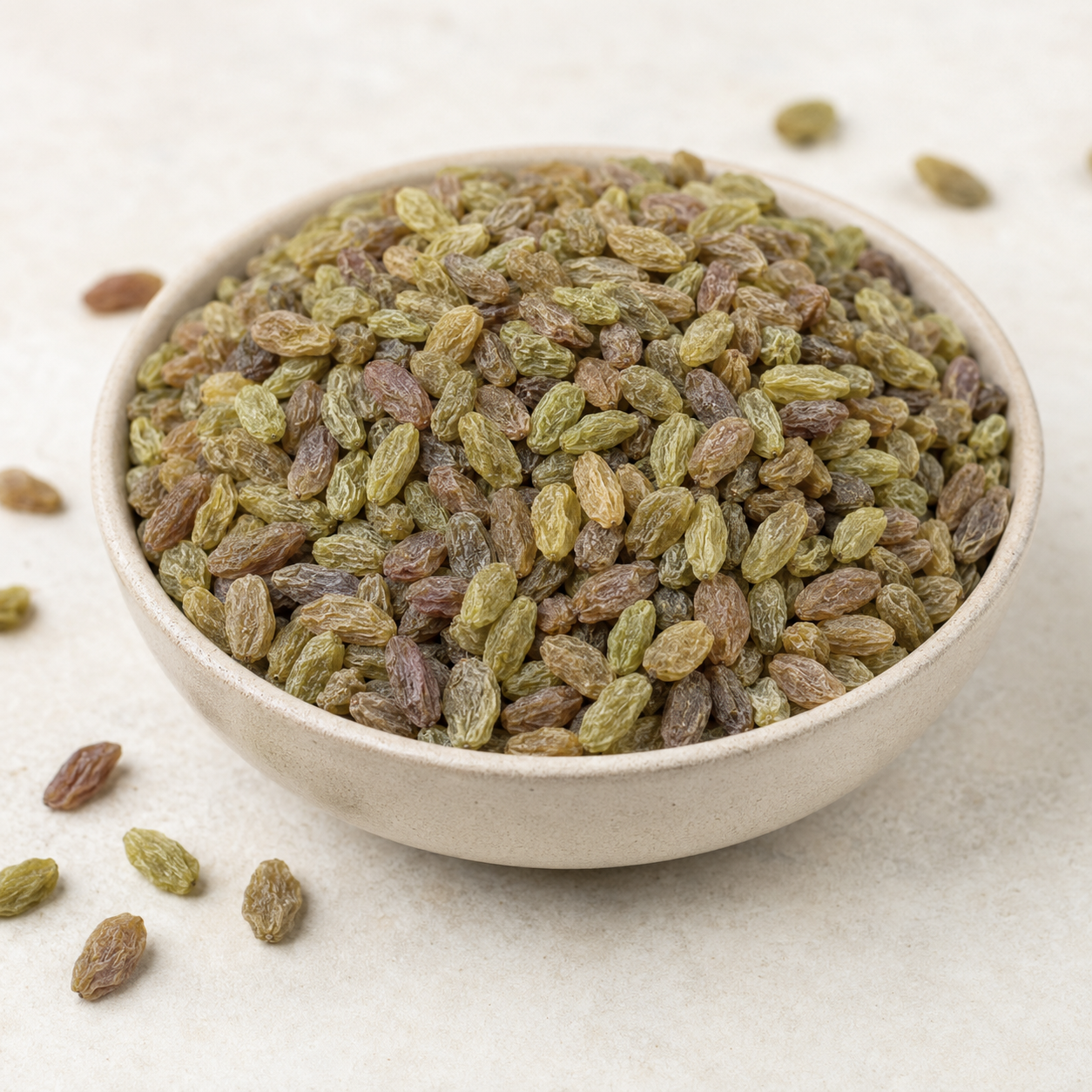

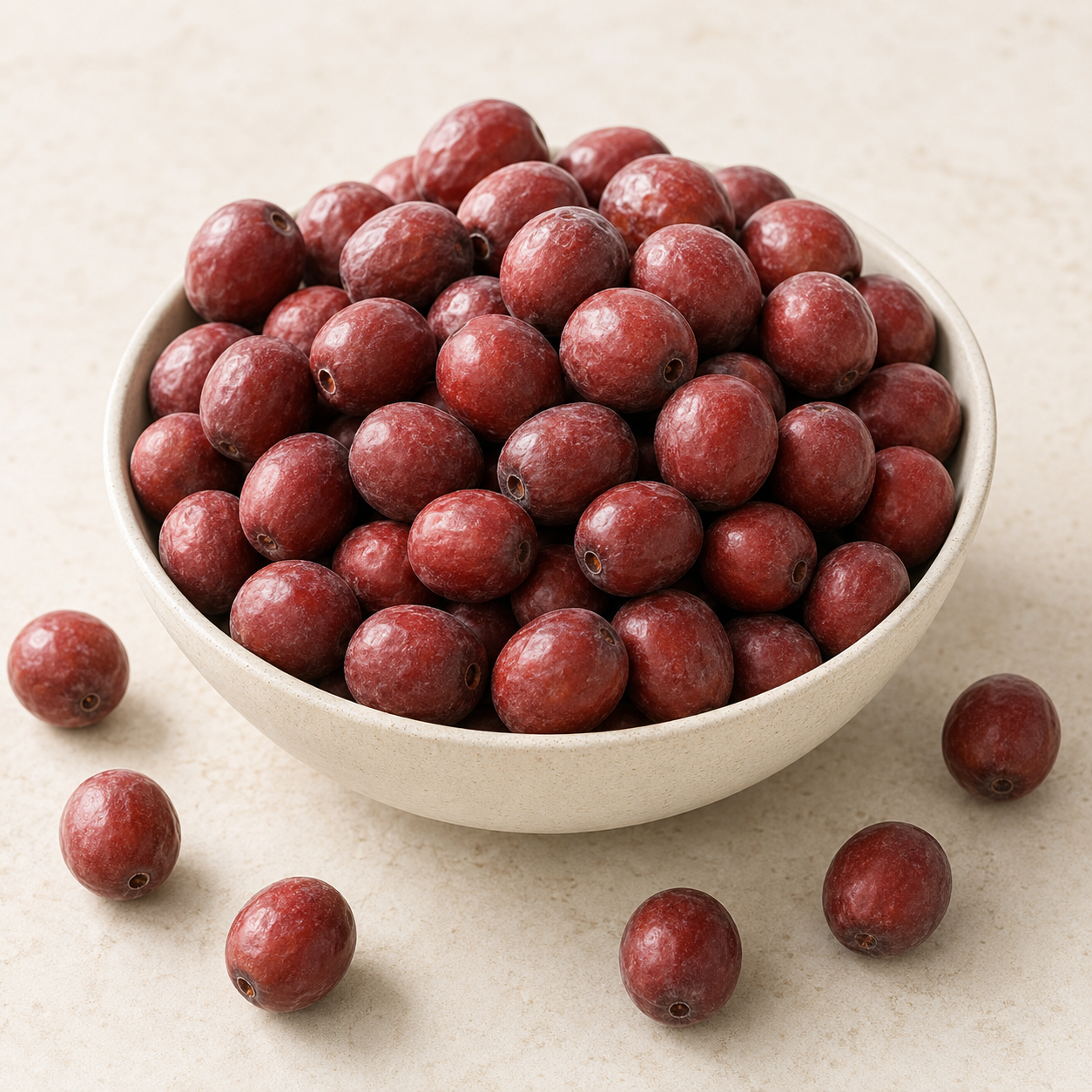

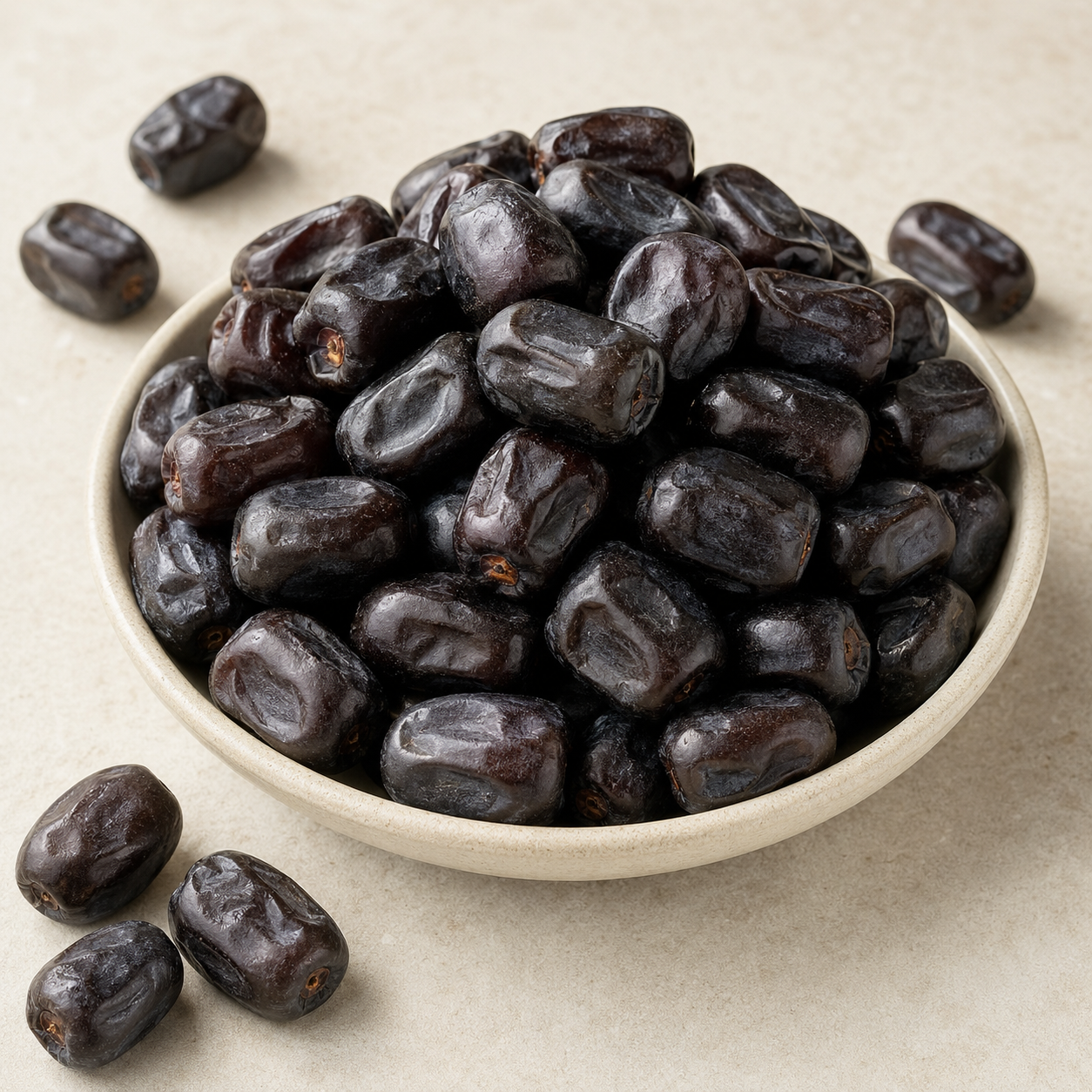
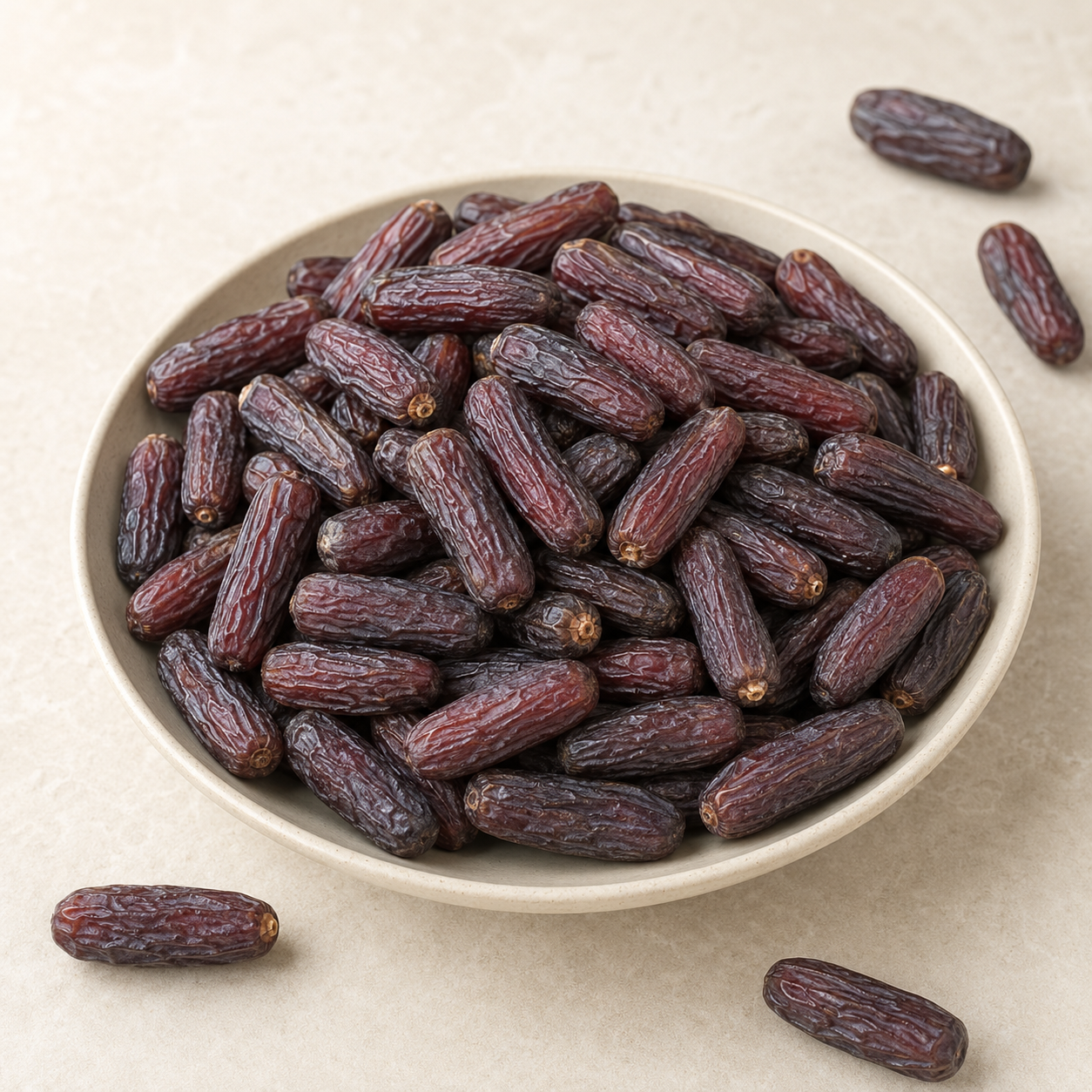
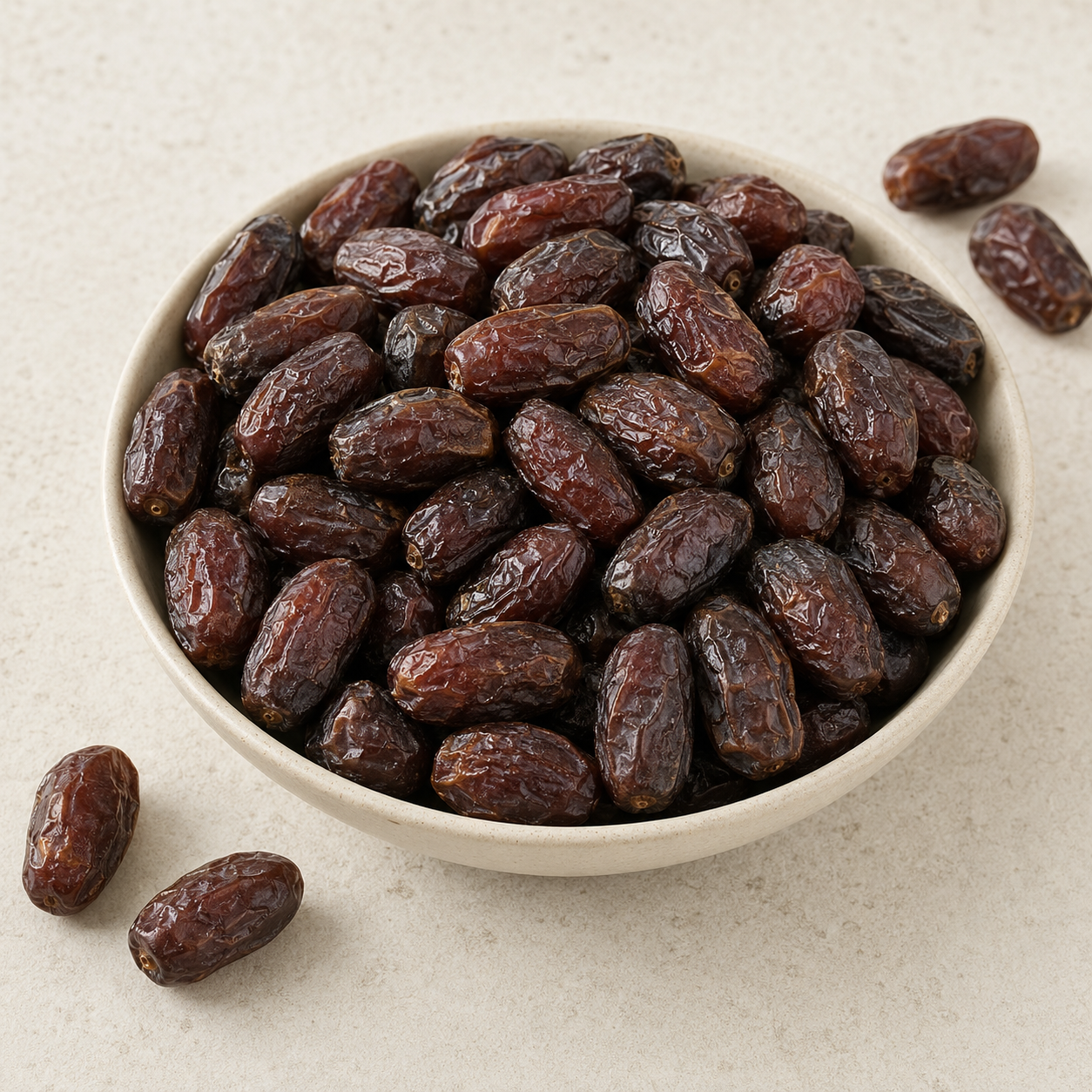
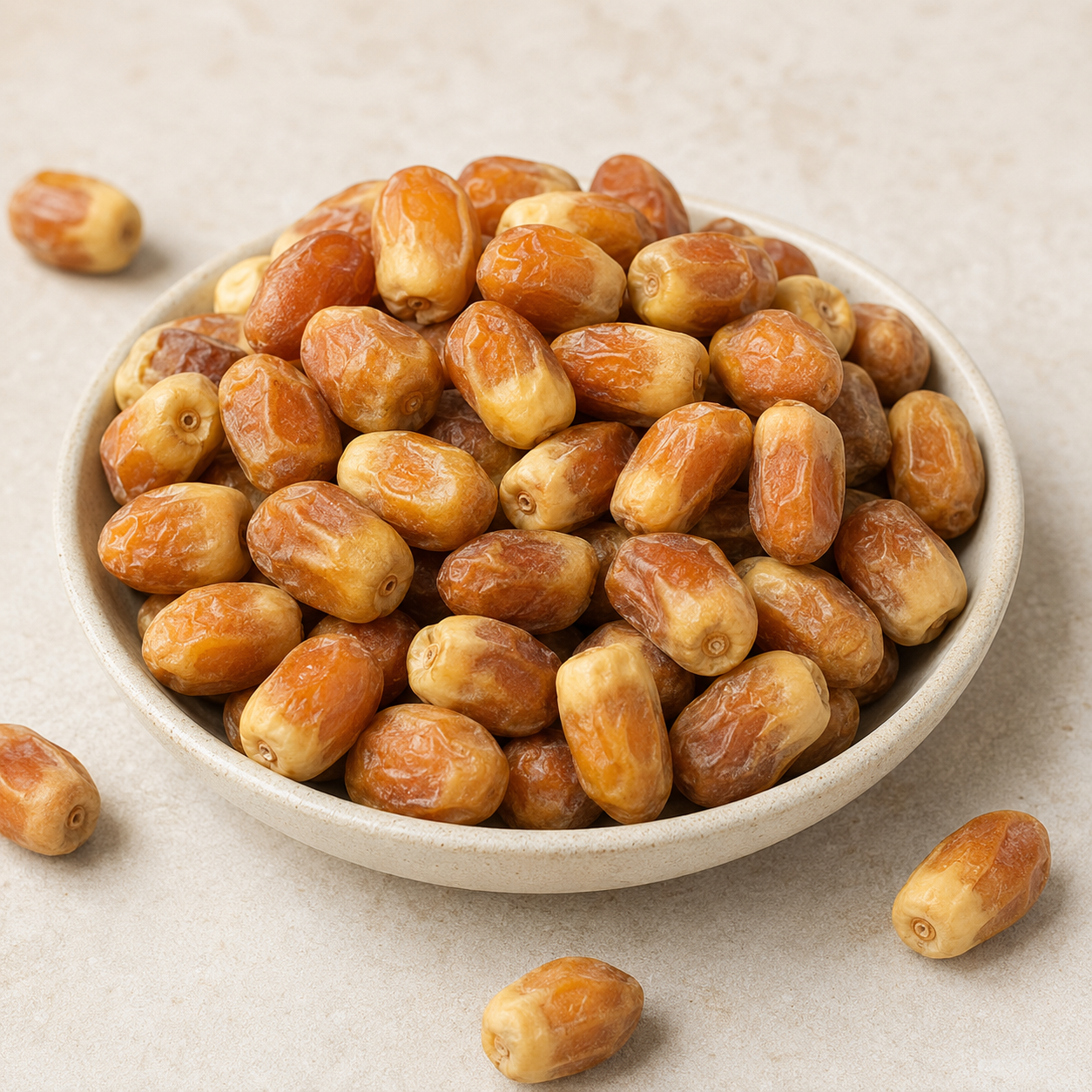
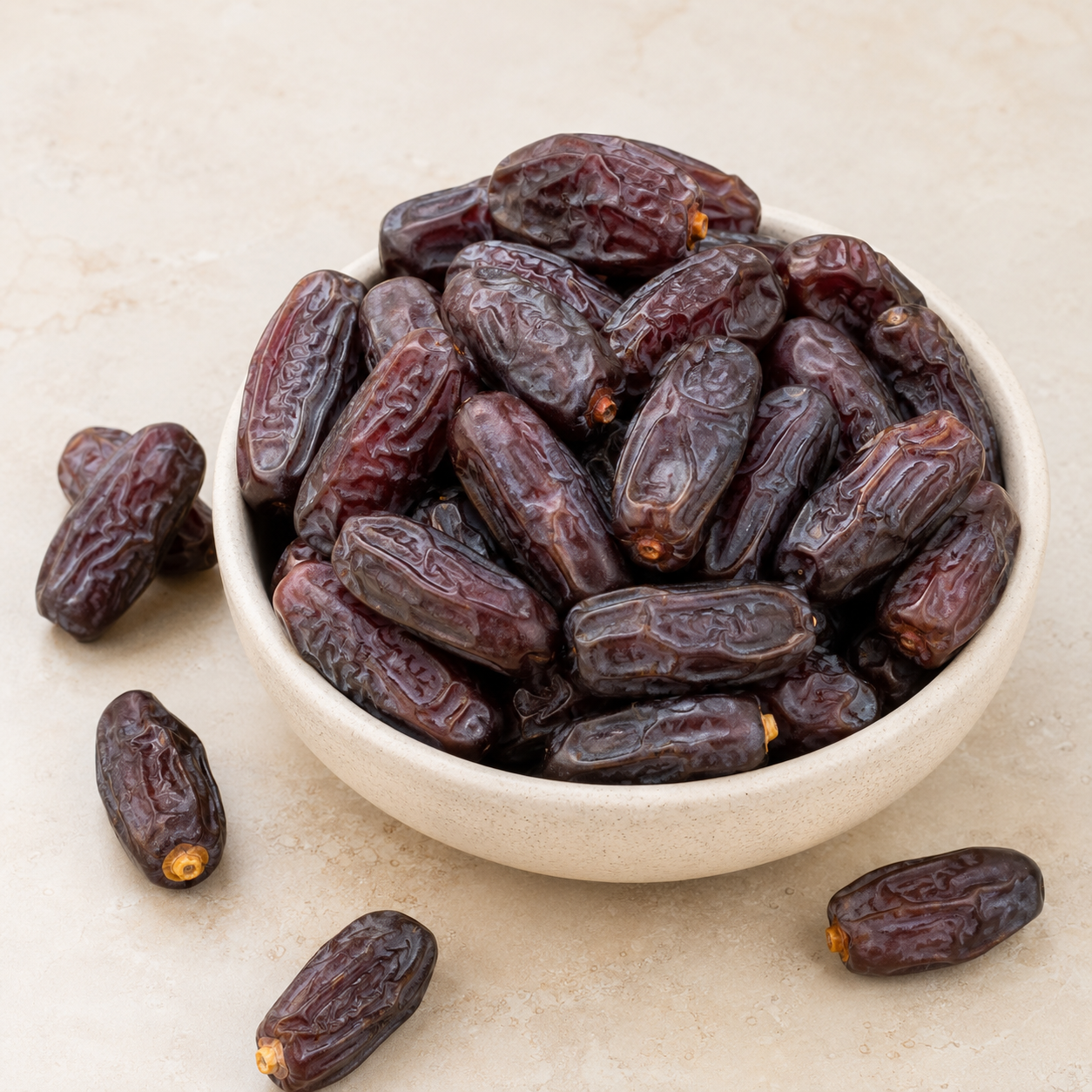


Iranian dates form a diverse family of soft, semi-dry and dry fruit. Mazafati, Piarom, Kabkab and Zahedi differ in color, texture, sweetness, storage needs and target market, so they should not be sourced or transported under one generic specification.
A simple map of Iranian dates
From palm grove to final pack, harvest timing, maturity, cleaning, grading, temperature control and packaging shape quality. Soft dates usually need closer temperature management, while semi-dry and dry types offer more distribution flexibility.
Four types, four profiles
Selection starts with the sales channel: chilled display, ambient shelf, premium gift or industrial ingredient. Size, texture, moisture and pack format can then be specified around that route.
- Mazafati: dark, soft and moist; popular for direct eating
- Piarom: elongated, semi-dry and positioned for premium markets
- Kabkab: large, soft to semi-dry and distinctly sweet
- Zahedi: light, semi-dry to dry and practical for distribution or processing
Evaluating a date lot
Color and softness must be judged against the variety. Skin separation, sugar crystallization, crushing, infestation and fermentation each need definitions and tolerances. Samples should come from multiple cartons and pallet positions.
- Describe maturity and desired texture in measurable terms
- Define size, weight or count and allowed variation
- Agree on skin separation, crushing and visual defect limits
- For soft dates, review product temperature and cold-chain records
Markets and applications
- Retail and hospitality packs
- Premium gift boxes
- Paste, syrup and date pieces for food manufacture
- Pairing with nuts, chocolate, energy bars and sports products
A quick four-date comparison
| Type | Texture | Typical color | Notable use |
|---|---|---|---|
| Mazafati | Soft and moist | Very dark brown | Chilled retail |
| Piarom | Semi-dry | Dark brown | Premium market |
| Kabkab | Soft to semi-dry | Amber to brown | Direct use and processing |
| Zahedi | Semi-dry to dry | Light golden | Broad distribution and industry |
One temperature does not fit every date
Soft types such as Mazafati generally rely on a cold chain to maintain texture and reduce deterioration. Drier dates are more tolerant, but still require protection from heat, pests, moisture and major temperature swings.
- Confirm the exact temperature requirement before loading
- Use trays and cartons that protect fruit from compression
- Manage condensation when moving between cold and warm environments
A clear order formula
- Specify type, expected profile and maturity grade
- Write down size, texture, moisture and defect tolerances
- Include transport and storage temperatures in the contract
- Finalize tray, count, net weight and label information
«For dates, the variety name is only the starting point; real quality emerges when texture, temperature, packaging and distribution are considered together.»


